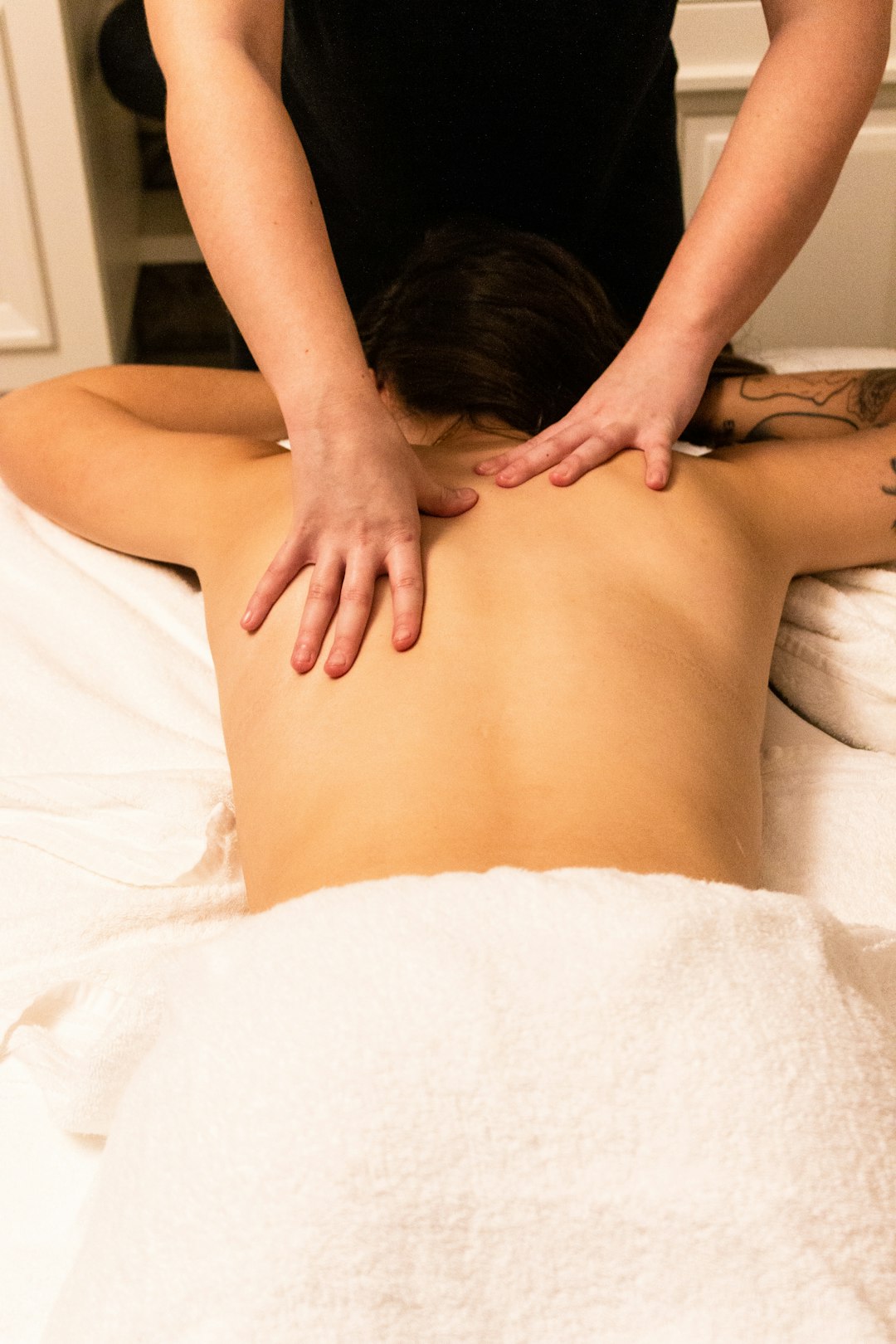
In South Carolina, strict laws protect clients from massage abuse, including sexual harassment and assault. Massage therapists must undergo thorough training to recognize and prevent such scenarios, maintain professional boundaries, and understand their legal responsibilities. Comprehensive educational programs teach consent, client privacy, and legal repercussions of misconduct, empowering therapists to create safe environments and report inappropriate behavior. Formal training is indispensable to avoid legal complications, with South Carolina law firms emphasizing the importance of background-checked therapists. Prioritizing ongoing education safeguards client welfare, builds trust, and promotes ethical practice within the massage therapy industry.
In South Carolina, including Columbia, understanding the prevalence of massage abuse is crucial for ensuring client safety. Massage therapists play a vital role in promoting healing, but they must also be vigilant against potential sexual misconduct, including abuse and assault. This article explores the legal protections available to clients, the significance of comprehensive education in preventing massage-related misconduct, and the importance of ethical practices within the industry. By delving into these aspects, we aim to empower therapists and foster a safer environment for all South Carolina residents.
Understanding Massage Abuse and Its Prevalence in South Carolina
Massage abuse, including sexual harassment and assault, is a significant issue that often goes unreported in South Carolina. As a state with a thriving wellness industry, it’s crucial to acknowledge and address this problem head-on. Many massage therapists may be unaware of their rights or feel intimidated by potential legal repercussions, leading to silence around these heinous acts. Unfortunately, the prevalence of massage abuse is not insignificant; various studies and reports suggest that instances of sexual harassment and assault in the massage industry are more common than many realize.
South Carolina has laws in place to protect individuals from such abusive behaviors, but raising awareness and providing education is key. Training programs for massage therapists should incorporate modules on recognizing and preventing massage abuse. This includes teaching therapists about consent, personal boundaries, and how to respond appropriately when a client exhibits inappropriate behavior. Additionally, having a network of support and resources available can encourage therapists to come forward if they or their colleagues experience any form of massage sexual abuse, ultimately fostering a safer environment for both clients and practitioners in the state.
Legal Aspects: Protecting Clients from Sexual Harassment and Assault
In South Carolina, as in many states, there are strict laws in place to protect clients from massage abuse, including sexual harassment and assault. Massage therapists must be aware of their legal responsibilities to ensure a safe environment for their customers. Any form of non-consensual physical contact is illegal and can lead to serious consequences, including civil lawsuits and criminal charges. Therapists must obtain informed consent from clients before providing any treatment, clearly explaining the services offered and what to expect.
Training programs should educate practitioners on recognizing and preventing potential abuse scenarios. This includes learning about appropriate boundaries, professional conduct, and how to respond if a client makes an uncomfortable advance. Having a clear code of ethics and reporting mechanisms in place is crucial for addressing any incidents promptly. Additionally, therapists should be encouraged to seek legal advice from a specialized lawyer in South Carolina to ensure they understand their rights and obligations regarding client safety.
The Role of Education in Preventing Massage-Related Misconduct
Education plays a pivotal role in preventing and mitigating massage-related misconduct, which includes various forms of abuse like sexual assault, harassment, and exploitation. In South Carolina, where laws regarding consent and professional conduct are stringent, thorough training is essential for massage therapists to understand their ethical responsibilities. Comprehensive educational programs equip therapists with knowledge about client boundaries, consent processes, and legal implications of inappropriate behavior. These programs also foster awareness of the signs and risks of massage abuse, empowering therapists to create a safe environment for clients.
By investing in ongoing education, massage therapy schools and practitioners can contribute to a culture where professionalism and respect are paramount. This includes learning about reporting mechanisms, crisis intervention, and post-trauma support for both victims and professionals. Such educational initiatives not only protect clients but also hold therapists accountable, ensuring that the practice remains therapeutic and free from misconduct.
Professional Training Programs for Massage Therapists in Columbia
In Columbia, South Carolina, professional training programs for massage therapists are essential to ensure both client safety and the therapist’s legal protection. These programs go beyond basic massage techniques, delving into crucial aspects like consent, boundaries, and recognizing signs of potential massage abuse, sexual abuse, or assault. A comprehensive curriculum teaches therapists how to create a safe, respectful environment, thereby fostering trust with clients.
With the awareness of massage sexual harassment and other forms of misconduct increasing, formal training is more critical than ever. South Carolina law firms specializing in personal injury and medical malpractice often advise clients to seek therapists who have undergone rigorous training and background checks. Such programs equip practitioners with the knowledge to navigate complex ethical dilemmas and legal repercussions, ensuring they remain compliant with state regulations and avoid potential disputes, especially given the sensitive nature of the massage industry.
Creating a Safe Environment: Ethical Practices for Healing and Respect
Creating a safe and ethical environment is paramount in the practice of massage therapy. Unfortunately, cases of massage abuse, including sexual harassment and assault, have been reported, highlighting the need for stringent training and education among practitioners. Massage therapists in Columbia, South Carolina, must be equipped with the knowledge and skills to prevent and address such incidents effectively.
Training should emphasize the importance of consent, professional boundaries, and respect for clients’ personal spaces and privacy. Therapists must understand the legal implications of massage sexual abuse and be able to recognize and report suspicious behaviors or patterns. Having a strong ethical framework not only protects clients but also strengthens the integrity of the profession, fostering a culture where healing and respect are at the core of every session.