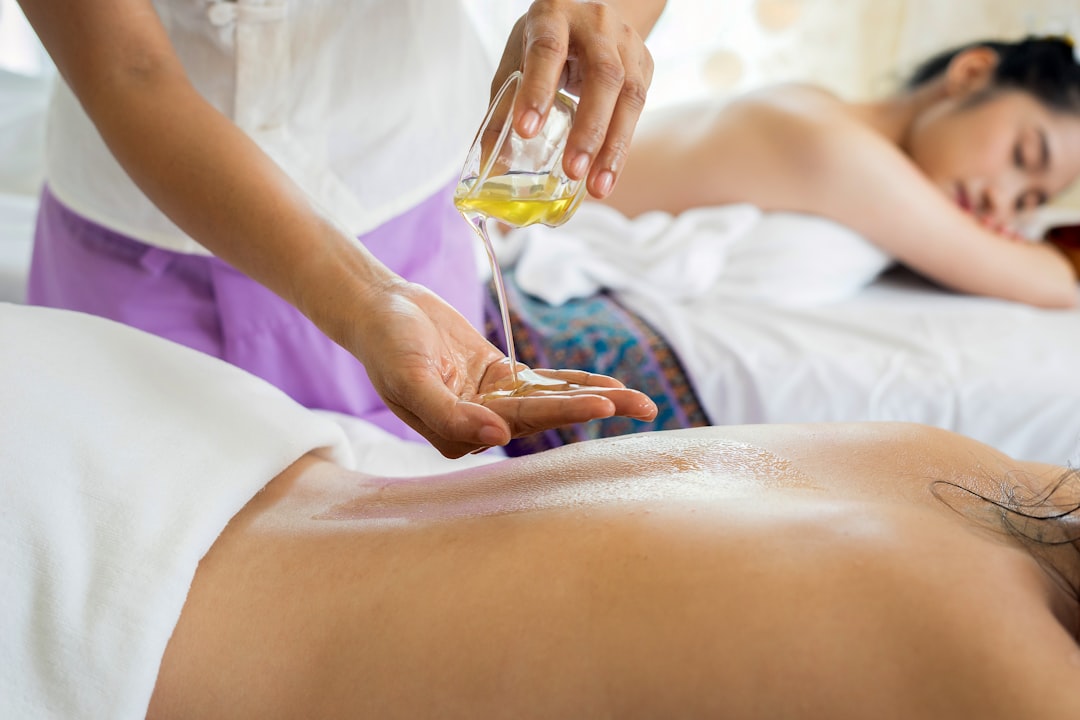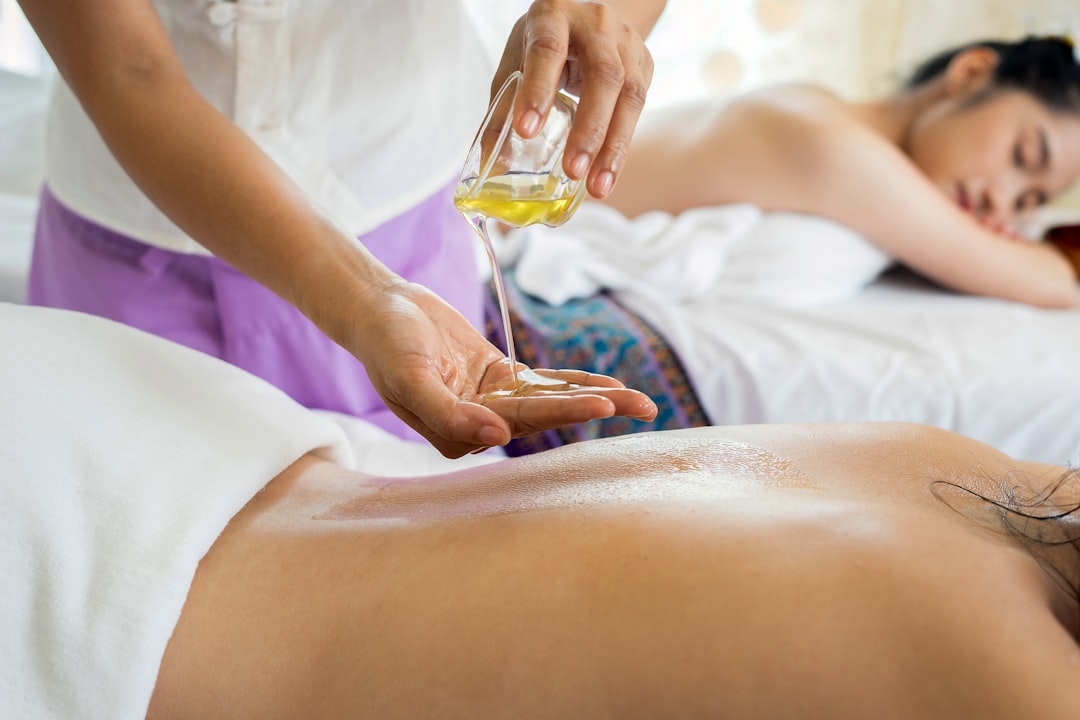
Myrtle Beach massage spa owners must prioritize preventing and addressing massage sexual harassment, a significant issue affecting client well-being and industry reputation. This involves implementing robust policies, staff training on boundaries, consent, and professional conduct, fostering a culture of respect, and providing regular workshops to maintain high ethical standards. South Carolina laws demand spas comply with specific regulations, requiring clear policies and employee training programs to protect clients from inappropriate behavior.
In the bustling spa industry of Myrtle Beach, massage spa owners bear a significant ethical responsibility to ensure their establishments are safe havens for clients. This article explores crucial aspects of their duty, focusing on preventing massage sexual harassment—a pervasive issue that demands meticulous attention. We’ll discuss strategies for creating secure spaces, implementing comprehensive training and education programs, and navigating legal obligations unique to Myrtle Beach spas.
Creating Safe Spaces: Preventing Massage Sexual Harassment
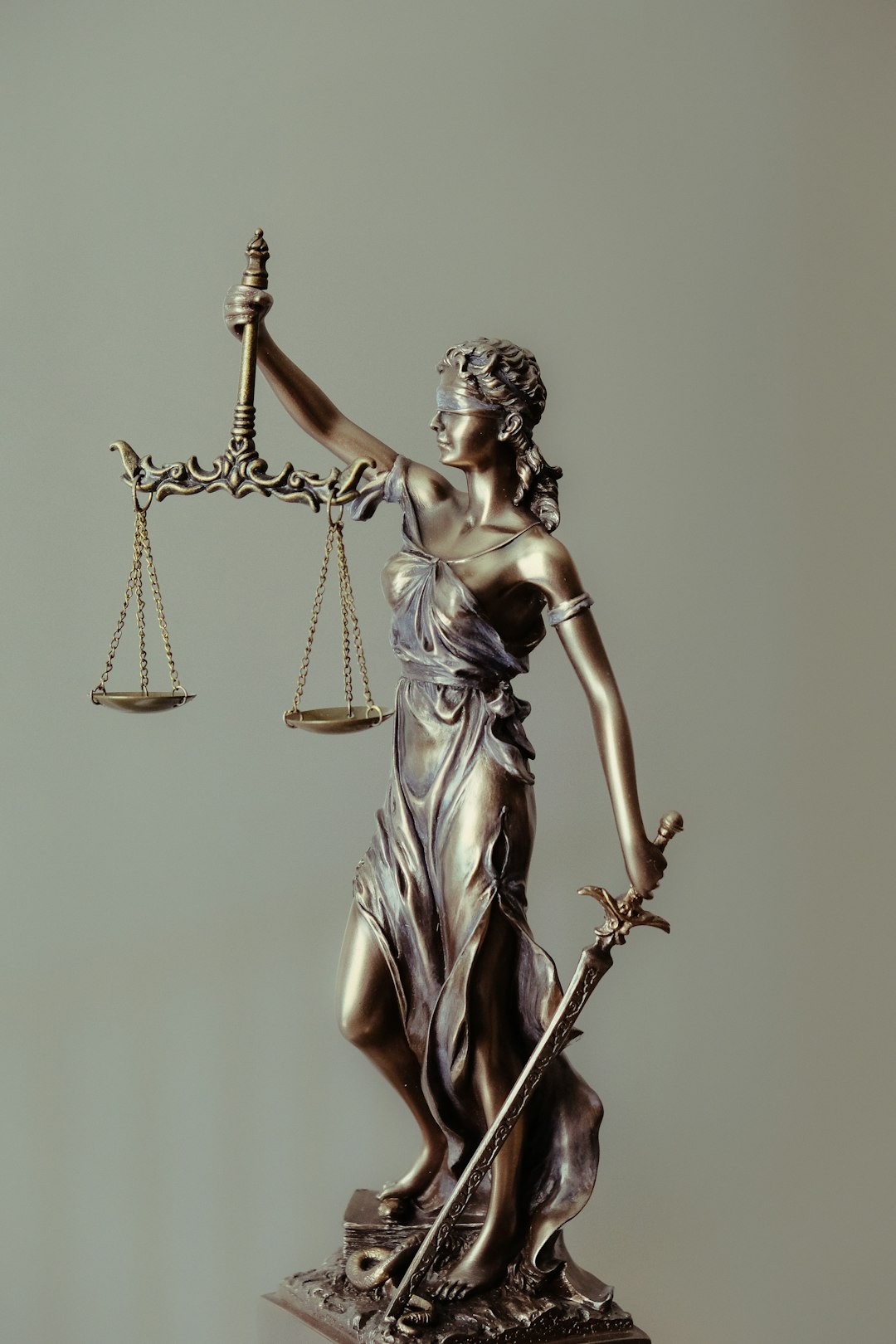
Creating safe spaces is paramount for massage spa owners in Myrtle Beach, as it’s a critical aspect of preventing and addressing massage sexual harassment. This issue has garnered significant attention due to its potential impact on clients’ well-being and the overall reputation of the industry. Spa owners must be proactive by implementing robust policies and training programs that educate staff about appropriate boundaries, consent, and professional conduct during massages.
A culture of respect and awareness should permeate every aspect of the spa’s operations. This includes establishing clear guidelines on acceptable behavior, ensuring staff members are sensitive to clients’ personal spaces, and fostering an environment where clients feel empowered to communicate their comfort levels. Regular workshops and refresher courses can help keep these issues at the forefront, allowing spas to maintain a high standard of ethics and professionalism in their services.
Training and Education: Equipping Staff to Recognize and Respond

Legal Obligations: Navigating Regulations for Spa Owners in Myrtle Beach
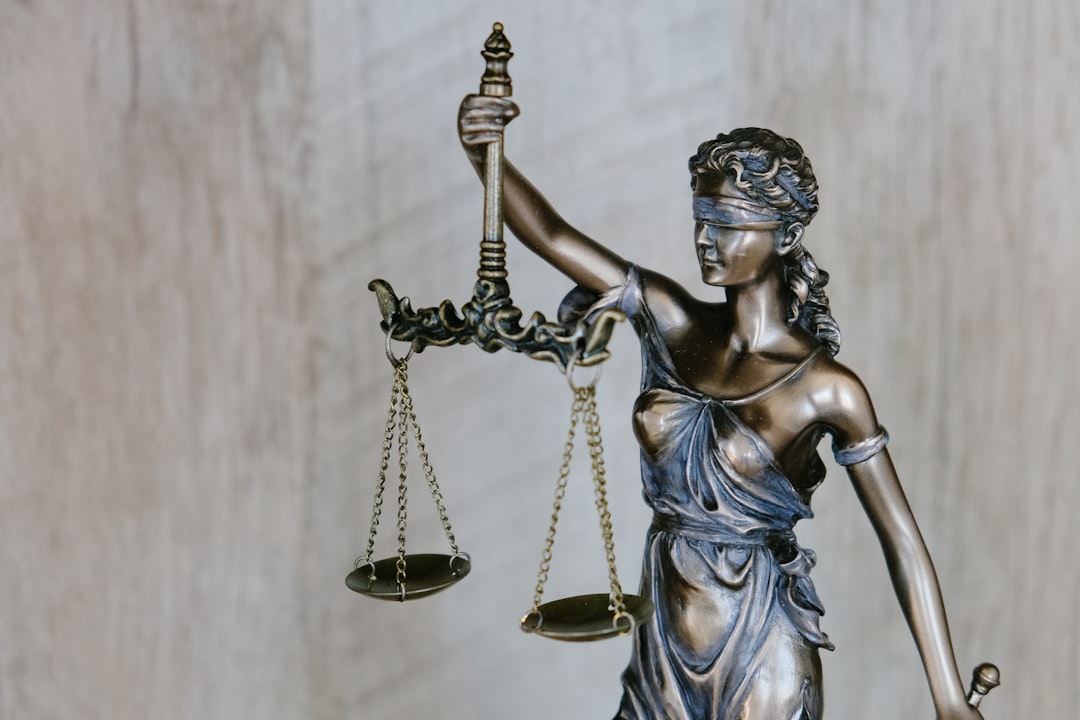
Massage spa owners in Myrtle Beach have a significant legal responsibility to ensure their business operates within the confines of state and local regulations. Navigating these rules is crucial to avoid costly legal repercussions, especially regarding issues like massage sexual harassment. South Carolina has specific laws in place to protect clients from inappropriate behavior during massages, which spa owners must strictly adhere to.
The onus lies on the owner to establish clear policies and training programs for employees, fostering a safe environment. This includes educating staff about consent, professional boundaries, and the consequences of any violation. Regular reviews of these regulations are essential to keep up with changing laws, ensuring the spa’s practices remain compliant and promoting a positive experience for clients while mitigating potential risks.