In massage therapy, client empowerment and boundary management are crucial to prevent sexual abuse. Therapists must educate clients about services, expected behaviors, and their right to set boundaries. Open communication regarding personal spaces, comfort levels, and potential distress sources is essential to protect clients from unwanted actions. Maintaining strict professional boundaries, open dialogue, and education foster safety and ethical practices, empowering survivors and enhancing therapeutic experiences in Myrtle Beach's massage community. Prioritizing ethical practices ensures clients feel heard, understood, and in control of their experience, minimizing risks of massage sexual abuse.
In Myrtle Beach, as in any wellness environment, understanding the importance of client empowerment in massage therapy is crucial. This article delves into the power dynamic that exists within massage settings, highlighting the significance of client consent and boundaries as essential tools for preventing and addressing potential massage sexual abuse. We explore how empowering clients can enhance healing and comfort, while emphasizing ethical practice through respect for client autonomy.
The Power Dynamic in Massage Settings

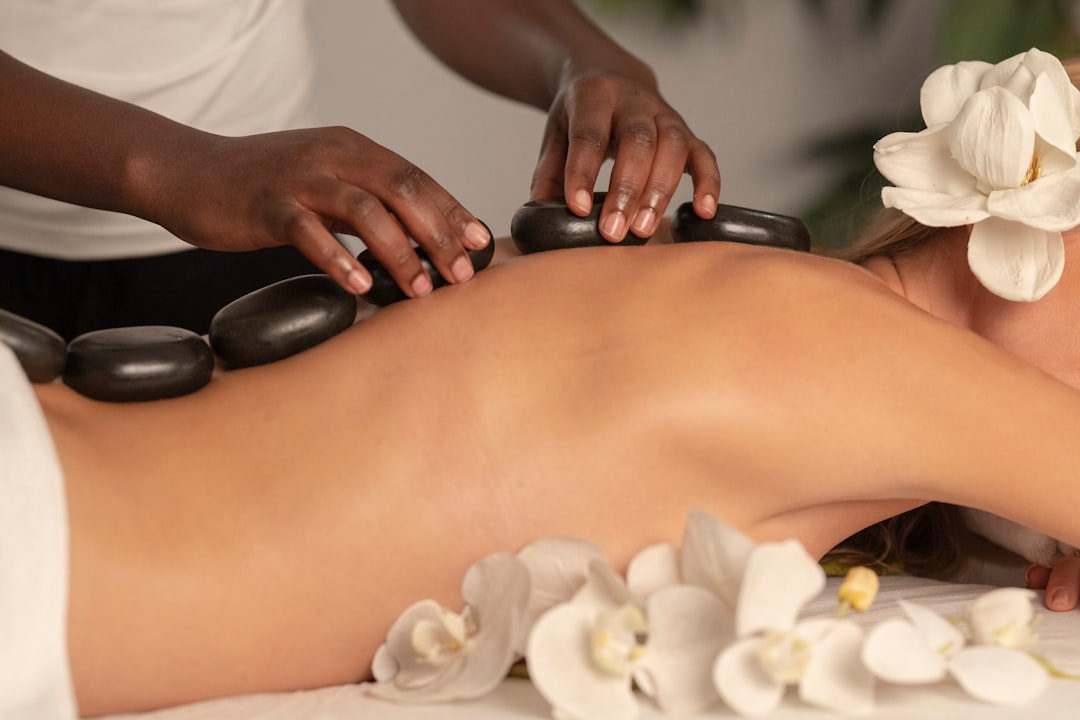
In massage therapy settings, a unique power dynamic exists between the therapist and client. This relationship demands careful consideration to ensure ethical boundaries are respected and maintained. Historically, massage has been employed for therapeutic purposes, promoting relaxation and healing. However, it’s essential to acknowledge that the intimate nature of physical touch can also create potential risks, including the possibility of sexual abuse.
The key to fostering a safe and empowering environment lies in client education and agency. Clients should be fully informed about the services provided, expected behaviors from both parties, and their right to set boundaries. Empowering clients allows them to make conscious decisions, communicate openly, and actively participate in their well-being journey. By creating an atmosphere of mutual respect and understanding, massage therapists can safeguard against any potential abuse while enhancing the therapeutic benefits of the session.
Client Consent and Boundaries: Essential Tools

In the realm of wellness, particularly within intimate services like massage therapy in Myrtle Beach, client empowerment is paramount. A cornerstone of this empowerment is establishing clear boundaries and obtaining informed consent. Massage therapists must ensure clients feel safe and respected by fostering open communication regarding personal spaces, comfort levels, and any potential sources of distress. This involves discussing and honoring boundaries related to physical touch, conversation topics, and the overall therapeutic environment.
By prioritizing client consent, massage therapists can prevent instances of sexual abuse within their practice. Informed consent protects clients from unwanted or inappropriate actions, ensuring they are actively involved in their treatment decisions. This process strengthens the therapist-client relationship, fostering trust and a sense of agency for the client. It’s crucial to remember that open dialogue and mutual understanding are key to providing a safe, therapeutic massage experience.
Preventing and Addressing Massage Sexual Abuse

Preventing and addressing massage sexual abuse is a critical aspect of client empowerment in Myrtle Beach’s massage therapy community. Therapists must be vigilant about setting clear boundaries, communicating openly with clients, and maintaining professional conduct throughout each session. This includes avoiding any form of inappropriate physical contact or verbal advances, ensuring the client’s comfort level is consistently respected.
Education plays a pivotal role in prevention. Clients should be informed about their rights and encouraged to voice concerns or discontinue services if they feel uncomfortable. Establishing a reporting system for suspicious behaviors fosters an environment where victims feel safe to speak up. Together, these measures contribute to a safer, more ethical practice of massage therapy, prioritizing the well-being and consent of every client.
Empowering Clients for Healing and Comfort

Empowering clients is a vital aspect of massage therapy, especially in addressing sensitive issues like historical or ongoing massage sexual abuse. By fostering an environment where clients feel safe and respected, therapists can facilitate healing and promote comfort. This involves active listening, clear communication, and building trust.
Massage therapists play a crucial role in empowering clients by encouraging open dialogue about their experiences and preferences. Through non-judgmental attitudes and tailored techniques, therapists ensure that each session is client-centered, allowing them to reclaim control over their bodies and emotional well-being. This process not only enhances the therapeutic experience but also supports survivors of abuse in their journey towards healing and recovery.
Ethical Practice: Client Autonomy and Respect

In the context of massage therapy, upholding ethical practices is paramount, especially when considering client empowerment and autonomy. Respecting a client’s boundaries and decisions is non-negotiable, regardless of any potential benefits to the therapist or perceived needs of the client. Client empowerment in this regard means fostering an environment where individuals feel heard, understood, and in control of their experience, minimizing risks of massage sexual abuse.
Therapists must prioritize open communication, ensuring clients are fully informed about treatments and expected outcomes. This transparency empowers clients to make informed choices, set personal boundaries, and communicate any discomfort or concerns. By adhering to strict ethical guidelines and fostering a culture of respect and autonomy, the massage therapy community in Myrtle Beach can ensure safe, therapeutic experiences for all individuals seeking relaxation and healing.