Charleston's spa culture, renowned for indigenous treatments and local ingredients, hides a hidden issue: massage sexual harassment. The intimate nature of therapy and cultural norms around touch create boundaries that can be blurred by practitioners. Through education, training, and stricter regulations, Charleston aims to combat this problem, promoting wellness while ensuring personal safety and dignity. Local organizations lead workshops and advocate for clearer policies, better training, and accessible reporting mechanisms to prevent future instances of sexual harassment in spas.
In the heart of Charleston, a vibrant spa culture thrives, steeped in history. However, beneath this serene facade lies a pressing issue: massage sexual harassment. This article delves into the intersection of culture and spa abuse, exploring Charleston’s historical spas and uncovering hidden prevalences. We dissect the problem, present community responses, and highlight prevention strategies to combat this pervasive issue. By understanding the nuances of massage sexual harassment, we aim to empower and protect, fostering a safer environment for all.
Charleston's Spa Culture: A Historical Perspective
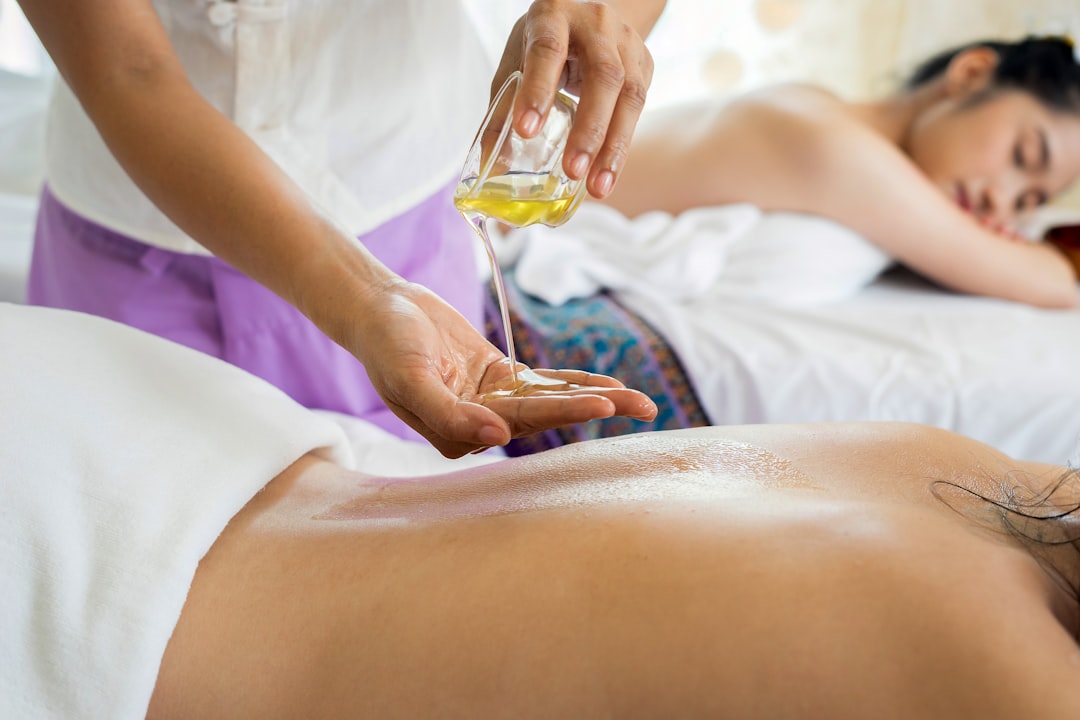
Charleston, with its rich history and Southern charm, has long been known for its luxurious spa culture. This tradition dates back to the city’s early days when it served as a haven for wealthy travelers seeking relaxation and rejuvenation. The city’s spas have evolved over time, incorporating indigenous treatments and local ingredients, creating a unique wellness experience that attracts visitors from around the world. However, beneath this serene facade lies a complex narrative of cultural intersection and potential spa abuse, particularly in relation to massage sexual harassment.
Historically, Charleston’s spa culture has been influenced by various cultures, including African, Caribbean, and European traditions. The city’s diverse population has contributed to a melting pot of wellness practices, where ancient healing methods meet modern spa indulgences. While this cultural exchange enriches the overall experience, it also highlights vulnerabilities that may arise in the intimate setting of a spa, especially when coupled with historical power dynamics and societal norms surrounding touch and consent.
Unveiling Hidden Prevalences: Massage Sexual Harassment
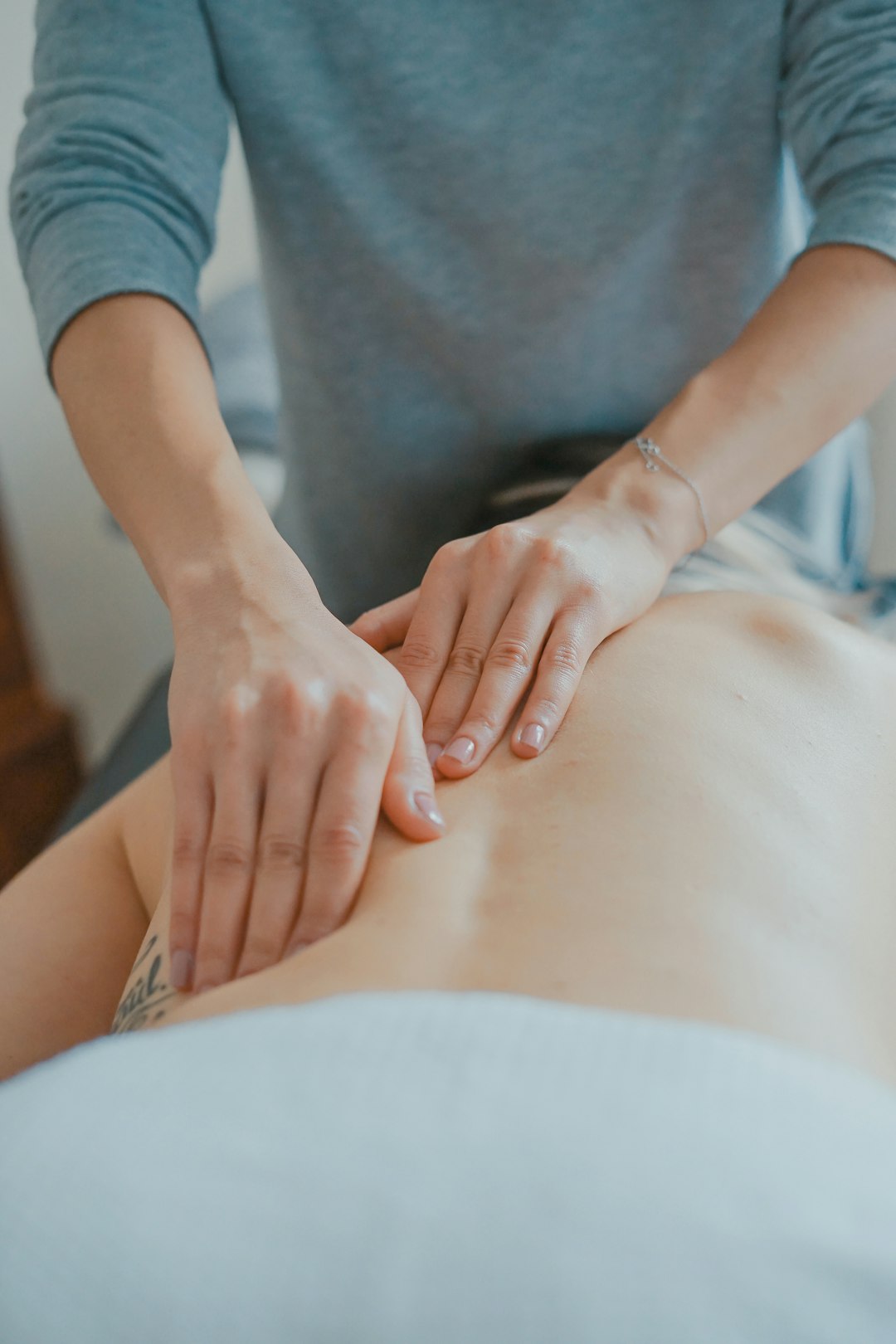
In Charleston’s bustling spa and wellness scene, a hidden prevalence lingers—massage sexual harassment. This insidious issue often goes unnoticed or unreported due to cultural nuances and the perceived intimacy of massage therapy. Cultural norms that emphasize touch and relaxation can create an environment where boundaries blur, leading to inappropriate advances by practitioners towards clients.
The rise of spa culture in Charleston has inadvertently brought attention to these incidents. As more people seek wellness services, it’s crucial to shed light on massage sexual harassment. By raising awareness, empowering victims to speak up, and implementing stricter industry standards, Charleston can ensure that the pursuit of relaxation doesn’t come at the cost of personal safety and dignity.
Community Response and Prevention Strategies
In response to the stark reality of massage sexual harassment, Charleston’s community has been actively working on prevention strategies. Local organizations and advocates are leading efforts to educate both service providers and clients about consent, personal boundaries, and the importance of reporting any incidents of abuse. Workshops and training sessions focused on recognizing and stopping non-consensual touches have been organized, targeting massage therapists, spa employees, and even law enforcement.
These initiatives aim to foster a culture of respect and safety within the wellness industry. By increasing awareness and implementing stricter protocols, Charleston aims to prevent future instances of sexual harassment in spas. This includes advocating for clearer policy frameworks, better training, and more accessible reporting mechanisms, ensuring that everyone involved understands their rights and responsibilities.